
Stopping Moisture Before Masonry Fails
Chimney Waterproofing & Leak Repair in Gun Barrel City for moisture damage, staining, and deteriorating masonry caused by water intrusion
Water is one of the leading causes of chimney deterioration, entering through cracks in the crown, failed flashing, porous masonry, or gaps around the flue liner, and once inside the structure, it dissolves mortar, spalls brick, and accelerates freeze-thaw damage during winter months. Homeowners notice water stains on the interior walls near the fireplace, white mineral deposits on the exterior masonry, or sections of brick that crumble when touched, all of which signal that moisture has compromised the chimney's structural integrity. The Chimney Guy Fireplace and Patio provides waterproofing treatments, flashing repairs, crown sealing, and leak detection services in Gun Barrel City to protect chimneys from long-term water damage and prevent costly reconstruction.
Waterproofing treatments involve applying breathable sealants to the masonry surface that repel water while allowing trapped moisture to escape, preventing the buildup of internal pressure that cracks the brick. Flashing repairs address corroded or improperly installed metal that no longer diverts water away from the roof penetration, and crown sealing fills cracks with flexible sealant or rebuilds the crown with a properly sloped surface that sheds rain.
Schedule a chimney leak evaluation to identify hidden water intrusion before it causes extensive structural damage.
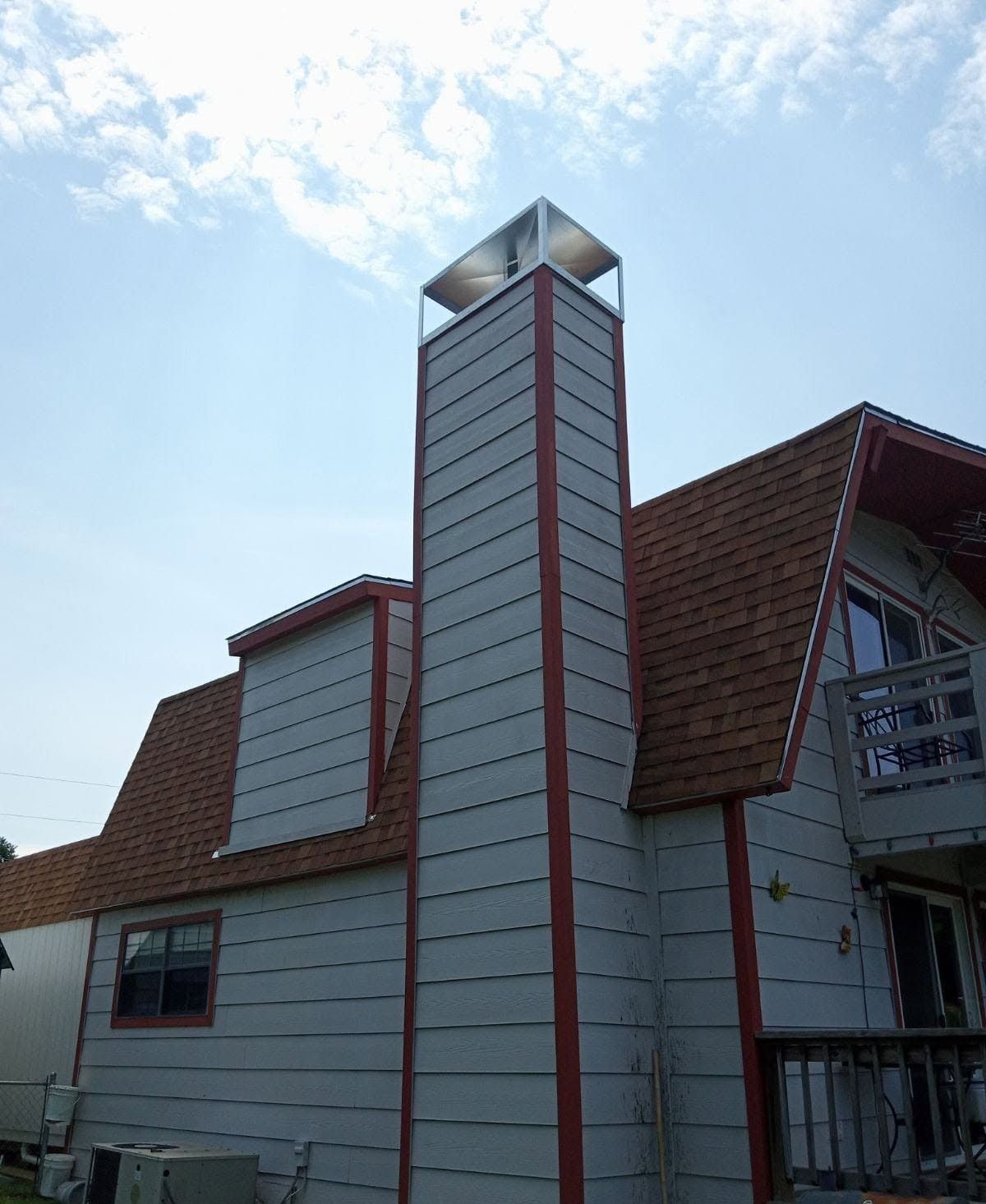
What Waterproofing and Leak Repairs Accomplish
Breathable masonry sealers penetrate the brick and mortar, forming a water-repellent barrier that stops rain from soaking into the porous material while still allowing interior moisture to evaporate outward, which prevents trapped water from freezing and expanding inside the masonry. Leak detection involves inspecting the crown for cracks, checking flashing seals, examining the mortar joints for deterioration, and using water testing to locate entry points that are not visible during a dry inspection. Crown repairs may include applying elastomeric sealant to small cracks or rebuilding the entire crown when the damage is extensive, ensuring that the top surface slopes away from the flue and includes a drip edge that directs water off the sides of the chimney.
After waterproofing is complete, rain beads on the masonry surface instead of soaking in, interior staining stops appearing, and the brick no longer deteriorates during freeze-thaw cycles because water can no longer penetrate and expand inside the structure. Professional inspections reveal leaks that homeowners cannot see from the ground, such as failed flashing hidden beneath shingles or cracks on the chimney's backside that funnel water into the masonry unnoticed until damage becomes severe.
Preventative maintenance that addresses water intrusion early avoids the need for tuckpointing, partial rebuilds, or full chimney reconstruction that become necessary once deterioration progresses through multiple seasons of exposure. Waterproofing treatments are reapplied every five to ten years depending on the product used and the level of exposure to weather, maintaining the protective barrier that keeps moisture out of the masonry.
Questions Before Starting Waterproofing Service
Property owners in Gun Barrel City and throughout North East Texas often ask how waterproofing works and what signs indicate that their chimney is already suffering from water damage.
How does water damage chimneys?
Water enters through cracks, porous masonry, or failed flashing, then dissolves mortar, causes brick to spall, and expands during freezing temperatures, creating internal pressure that fractures the structure.
What are signs of chimney leaks?
Interior water stains near the fireplace, white mineral deposits on exterior masonry, rust on the damper or firebox, and crumbling mortar joints all indicate that water is entering the chimney.
Why use breathable waterproofing sealers?
Breathable sealers block exterior water while allowing interior moisture to escape, preventing trapped water from building pressure inside the masonry and causing freeze-thaw damage.
When should flashing be replaced during leak repair?
Flashing should be replaced when it shows visible corrosion, when sealant has degraded and allows water behind the metal, or when testing reveals that water is entering at the roof penetration.
How long does waterproofing last?
Quality waterproofing treatments typically protect the masonry for five to ten years, though heavily exposed chimneys in areas with frequent rain or freeze-thaw cycles may require reapplication sooner.
The Chimney Guy Fireplace and Patio conducts thorough inspections to locate all sources of water intrusion and applies proven waterproofing methods that preserve your chimney's structural integrity for years to come. Arrange a leak evaluation to address moisture problems before they lead to expensive repairs and compromised masonry that shortens your chimney's lifespan.