Fireplace Systems That Ignite and Burn Correctly
Fireplace Service & Maintenance in Gun Barrel City for systems showing delayed ignition, incomplete combustion, or irregular flame patterns
Gas fireplaces that ignite slowly or produce yellow instead of blue flames indicate burner obstructions or improper air-to-fuel ratios, while wood-burning fireplaces that fill rooms with smoke signal damper malfunctions or creosote buildup restricting airflow. The Chimney Guy Fireplace and Patio services both gas and wood-burning fireplaces throughout Gun Barrel City and North East Texas, addressing ignition failures, cleaning combustion components, and restoring proper venting function. Annual inspections catch these issues before they prevent your fireplace from operating when temperatures drop and you need supplemental heat.
Servicing gas fireplaces involves cleaning burner ports where dust and debris accumulate, testing pilot assemblies and thermocouples for consistent flame detection, and verifying that gas valves modulate correctly across all heat settings. Wood-burning fireplace maintenance includes removing creosote deposits from flue linings, inspecting damper seals for air leaks, and checking firebox mortar for cracks that compromise structural integrity.
Schedule a maintenance appointment to address any performance inconsistencies before they require more extensive repairs.
What Preventative Maintenance Actually Prevents
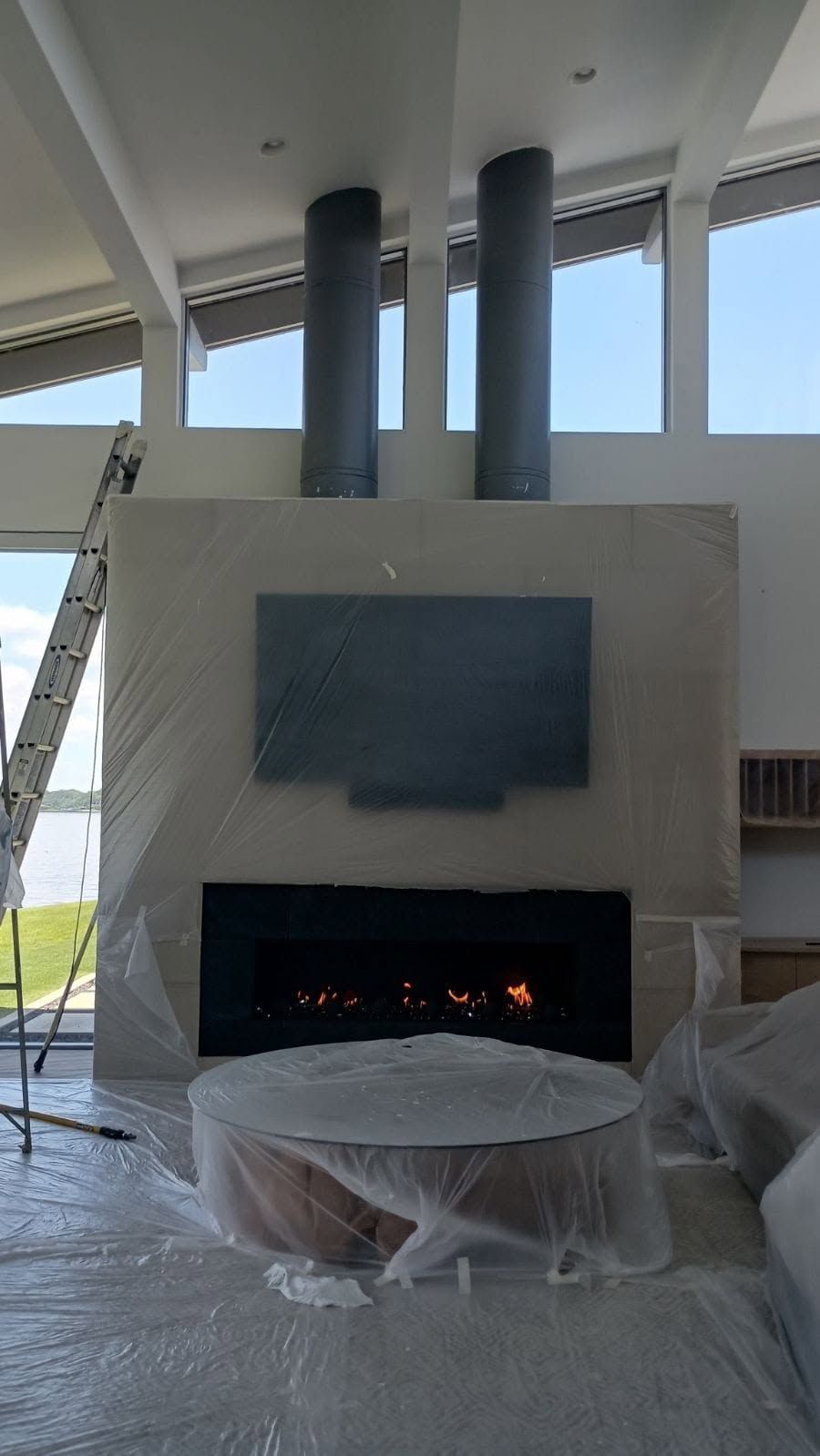
Regular fireplace maintenance removes the accumulated byproducts that degrade performance over time—soot coating gas burners reduces heat output, creosote lining chimney walls restricts draft and creates fire hazards, and corroded components fail to regulate fuel flow or seal venting pathways. During service visits, technicians disassemble burner assemblies to access ports blocked by oxidation, brush flue tiles to restore full draft capacity, and lubricate damper mechanisms that have stiffened from heat exposure and moisture.
Once servicing completes, gas fireplaces ignite immediately when you activate the switch, flames burn with consistent blue color indicating complete combustion, and heat radiates evenly without delayed warm-up periods. Wood-burning fireplaces draw air smoothly up the chimney without backdrafting smoke into the room, dampers open and close with minimal resistance, and fires sustain steady burns without constant adjustment.
Tune-ups also include safety inspections that identify gas leaks at connection points, check carbon monoxide levels during operation, and verify that automatic shut-off systems respond correctly to pilot outages. Addressing these elements during scheduled maintenance extends equipment life significantly compared to running systems until they fail completely and require emergency repairs during peak heating season.
Answers to Frequent Service Questions
Understanding what fireplace servicing involves helps homeowners in Gun Barrel City recognize when performance issues require professional attention rather than simple troubleshooting.
How often should fireplaces receive professional maintenance?
Annual servicing before heating season ensures components function correctly when you begin regular use, allowing time to order any replacement parts before cold weather arrives. Gas fireplaces benefit from pre-season inspections that verify ignition systems, while wood-burning units require post-season cleaning to remove corrosive creosote before it hardens over summer months.
What causes gas fireplace flames to appear yellow instead of blue?
Yellow flames indicate incomplete combustion, typically caused by burner ports clogged with dust or spider webs, improper air shutter adjustment, or gas pressure irregularities. Cleaning burner orifices and adjusting the air-to-fuel mixture restores efficient blue flames that produce maximum heat without generating excessive soot.
Why does smoke enter the room when I light a wood-burning fireplace?
Smoke spillage occurs when the chimney lacks sufficient draft to pull combustion gases upward, often caused by creosote buildup narrowing the flue, closed or partially blocked dampers, or negative air pressure inside the home. The Chimney Guy Fireplace and Patio inspects the entire venting pathway to identify and resolve draft restrictions.
What does a fireplace tune-up include beyond basic cleaning?
Tune-ups involve testing all safety controls including thermocouples and oxygen depletion sensors, inspecting gas valve operation across all settings, checking venting components for corrosion or separation, and verifying that glass doors seal properly to maintain combustion efficiency. These checks prevent mid-season failures that leave you without heat.
When should I call for service instead of continuing to use a malfunctioning fireplace?
Any gas odor, persistent ignition failure, unusual noises during operation, or visible cracks in fireboxes or venting components require immediate professional evaluation. Continuing to operate compromised systems risks carbon monoxide exposure or structural damage that increases repair costs substantially.
Dependable scheduling and experienced service from The Chimney Guy Fireplace and Patio keep your fireplace operating safely and efficiently season after season. Book your annual inspection to maintain consistent performance and catch potential issues early.