Fire Features That Extend Evening Entertaining
Outdoor Fireplaces & Fire Features in Gun Barrel City for patios and backyards designed around year-round outdoor use
Northeast Texas weather allows outdoor entertaining through fall and into winter when temperatures drop but remain comfortable near radiant heat sources, making outdoor fireplaces and fire features functional extensions of living space rather than purely decorative elements. The Chimney Guy Fireplace and Patio designs and installs custom fire features including built-in outdoor fireplaces, freestanding fire pits, gas fire tables integrated with seating areas, and linear burner systems incorporated into retaining walls or poolside lounging zones. These installations become focal points that organize furniture placement, define gathering areas, and provide ambient warmth during cooler evenings when indoor spaces feel unnecessarily confining.
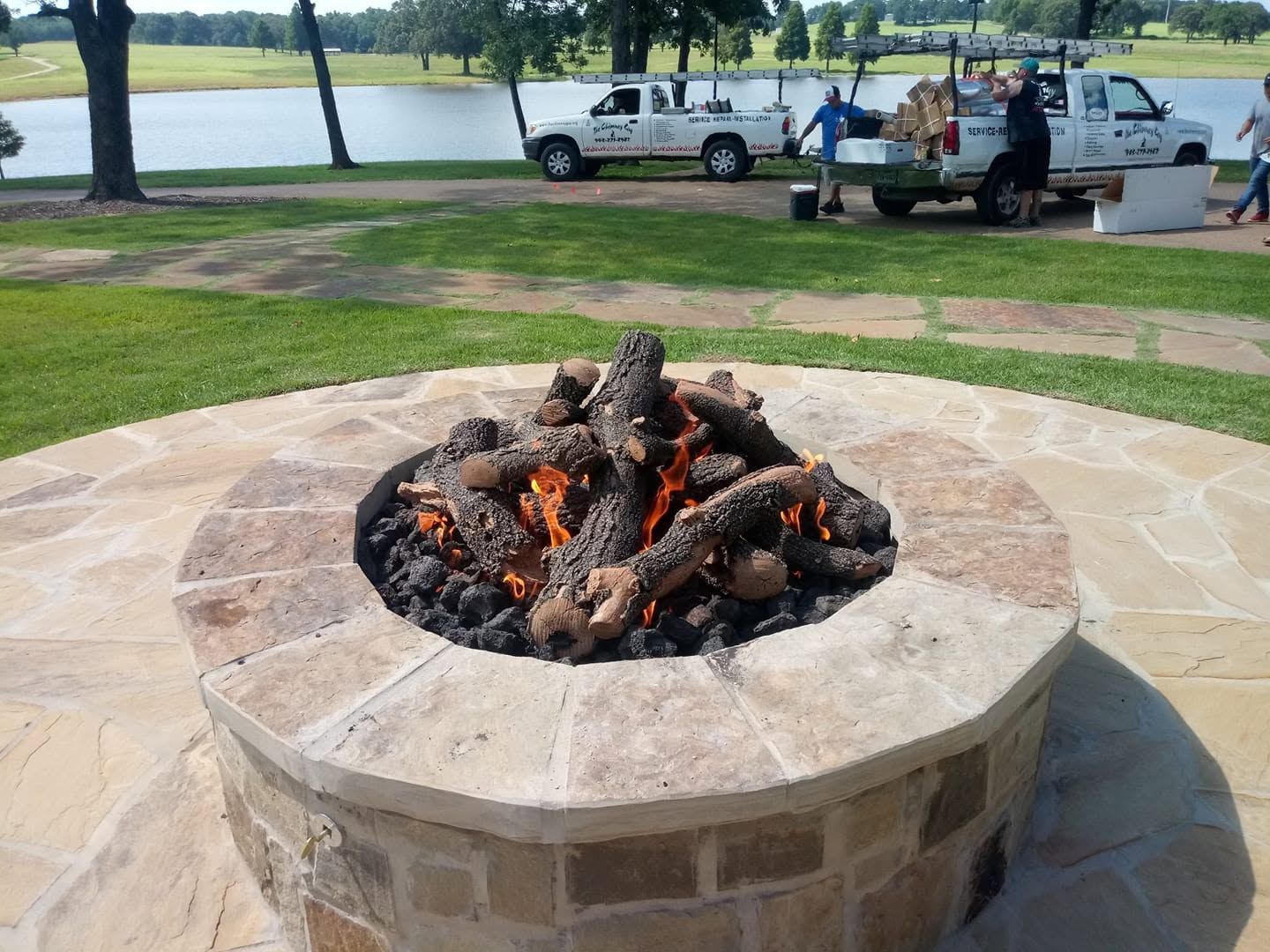
Outdoor fireplace construction involves building masonry structures with fireboxes rated for exterior exposure, installing venting chimneys that clear rooflines and prevent downdrafts, and selecting materials like stacked stone or brick that withstand repeated heating and cooling cycles without cracking. Gas fire pits and tables connect to underground propane or natural gas lines, using lava rock, fire glass, or ceramic logs as decorative media that radiates heat while flames burn above.
Arrange a design consultation to review how fire features integrate with your existing patio layout and outdoor kitchen plans.
What Custom Design and Installation Include
Custom outdoor fire feature design begins by evaluating your property's layout to position fire elements where prevailing winds won't push smoke toward seating areas, where gas or propane lines can route without crossing main pathways, and where the scale of the fireplace or fire pit balances proportionally with surrounding hardscape dimensions. Material selection considers how stone, brick, or concrete pavers respond to direct flame contact and temperature fluctuations, ensuring fire feature surrounds remain structurally sound and visually consistent after years of seasonal use. Built-in seating walls, hearths for food warming, and storage compartments for firewood or propane tank access get incorporated during the construction phase rather than added later as afterthoughts.
After installation completes, you use outdoor fireplaces for ambiance during dinner gatherings or as functional heating sources that make patios usable when evening temperatures dip into the fifties or below. Gas fire tables ignite with electronic controls, eliminating the preparation and cleanup wood fires require, while wood-burning fire pits provide traditional crackling fires and radiant warmth for guests seated in surrounding conversation areas. Flames create visual interest that draws attention across yards and establishes your patio as the primary outdoor destination regardless of season.
Integration with existing outdoor kitchens, pergola structures, and landscaping ensures fire features complement rather than compete with other backyard elements—positioning fireplaces adjacent to cooking areas extends counter space and provides supplemental heat for outdoor dining zones, while fire pits placed near pool decks offer warmth for swimmers transitioning from water to lounge chairs during cooler months. Seamless installation manages utility routing underground, matches material finishes to existing stonework or paving, and orients features to maximize usability based on your property's specific traffic patterns and sight lines.
Questions Before Starting Your Project
Outdoor fire feature projects involve decisions about fuel sources, material durability, and placement strategies that affect both construction complexity and long-term enjoyment in Gun Barrel City backyards.
What determines whether an outdoor fireplace uses wood or gas fuel?
Wood-burning outdoor fireplaces require masonry chimneys to vent smoke above rooflines and provide storage areas for seasoned firewood protected from rain, creating traditional fire experiences but demanding active fire management. Gas-fueled outdoor fireplaces connect to utility lines, ignite instantly, and eliminate ash cleanup, suiting homeowners who prioritize convenience and want immediate ambiance without tending flames or managing fuel supplies.
How does fire feature placement affect usability and safety?
Positioning fire elements requires maintaining clearance from combustible structures like wooden pergolas or fences, accounting for typical wind direction to keep smoke away from seating areas, and ensuring guests can access all sides of fire pits without crossing main pathways. Proper placement also considers sight lines from indoor spaces, allowing fire features to remain visible through windows and glass doors that connect interior and exterior living areas.
What materials withstand direct fire exposure in outdoor installations?
Firebrick and refractory concrete rated for high-temperature exposure line fireboxes and fire pit interiors, while natural stone, engineered pavers, and steel frames form exterior surrounds that tolerate radiant heat without cracking or discoloring. The Chimney Guy Fireplace and Patio selects materials based on your aesthetic preferences and the intensity of heat each fire feature generates during operation.
How do gas fire tables differ functionally from traditional fire pits?
Gas fire tables incorporate burners into functional tabletops where guests set drinks or plates, combining ambient flame presentation with usable surface area for entertaining. Traditional fire pits prioritize larger flame displays and higher heat output, creating gathering points focused entirely on the fire itself rather than dual-purpose furniture that balances fire ambiance with tabletop functionality.
When should outdoor fire features be integrated during patio construction versus added later?
Installing fire features during initial patio construction allows utility lines to route beneath hardscape before paving completes, ensures material colors and finishes match perfectly, and positions fire elements where they organize furniture layouts from the beginning. Adding features to existing patios remains feasible but may require cutting pavers to access utility lines or working around established traffic patterns that limit optimal placement options.
The Chimney Guy Fireplace and Patio creates outdoor fire features that transform patios into four-season gathering spaces with professional construction and material selection. Call (903) 271-8982 to discuss custom fire feature design tailored to your backyard's dimensions and your outdoor entertaining priorities.