Built-In Grills Installed for Safe Operation
Grill Sales & Installation in Gun Barrel City for homeowners upgrading to professional-grade outdoor cooking equipment
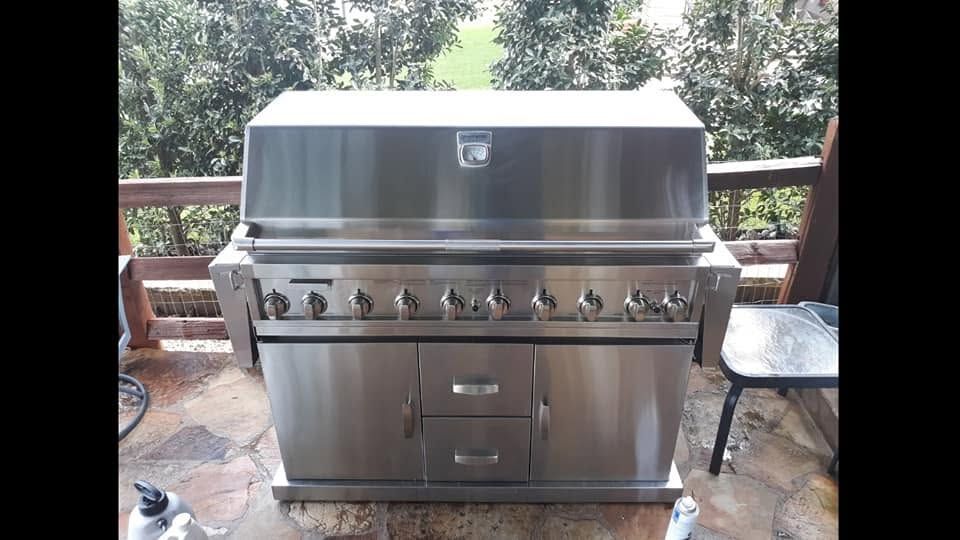
Summer evenings in Gun Barrel City bring extended outdoor cooking sessions that demand grills capable of maintaining consistent heat across multiple burners. The Chimney Guy Fireplace and Patio sells premium grill brands and handles installation from gas line connections through built-in cabinet integration. You see stainless steel burners positioned for even heat distribution, ignition systems that light reliably in humid conditions, and control valves mounted where they remain accessible without interfering with cooking surfaces.
Grill selection depends on cooking style—whether you prioritize searing capability, rotisserie features, side burner capacity, or BTU output for high-heat cooking. Installation includes running gas lines to manufacturer specifications, securing the grill within countertop cutouts, and testing all burners for proper flame patterns before completing the setup.
Visit the showroom to compare grill models and discuss installation requirements for your outdoor kitchen.
How Built-In Grill Installation Addresses Safety Standards
Installation starts with verifying gas supply pressure, running appropriately sized lines from the meter or propane tank, and installing shut-off valves within reach of the grill location. Built-in models require precise cutout dimensions so the grill sits level with surrounding countertops, and clearances between the firebox and combustible materials must meet manufacturer requirements to prevent heat damage to cabinetry. Connection points use flare fittings or flexible connectors rated for outdoor gas appliances, and each joint gets leak-tested with soap solution before the grill operates.
After installation finishes, burners ignite immediately when you turn control knobs, flames burn blue without yellow tips or sputtering, and heat spreads evenly across the cooking grate. The grill remains stable within the countertop during use, and gas flow shuts off completely when valves close, leaving no residual hissing or gas odor.
Professional installation covers gas connections, grill placement, and operational testing, but does not include countertop construction or cabinet framing unless part of a complete outdoor kitchen project. Grill selection affects installation requirements—larger models with multiple burners and infrared zones need higher BTU capacity and may require upgraded gas lines compared to standard three-burner units.
Common Questions About This Service
Homeowners selecting grills for outdoor kitchens typically ask about sizing, fuel options, and integration with existing structures.
What grill size works best for typical family cooking versus large gatherings?
A 36-inch grill with three to four burners handles most family meals and small gatherings, while 48-inch or larger models with five-plus burners provide capacity for cooking multiple dishes simultaneously during parties.
How does gas line sizing affect grill performance in Gun Barrel City installations?
Undersized gas lines restrict fuel flow during high-demand cooking, causing burners to produce weak flames that struggle to maintain temperature, particularly when multiple burners and a side burner operate simultaneously.
When should I choose natural gas versus propane for a built-in grill?
Natural gas works when your home already has service and the outdoor kitchen sits within reasonable distance of the meter, while propane offers flexibility for locations farther from the house or properties without natural gas access.
What makes one grill brand more suitable than another for outdoor kitchens?
Construction quality varies—commercial-grade stainless steel resists corrosion from humidity and weather exposure better than painted or lower-grade metals, and sealed burners prevent debris from clogging gas ports.
How do built-in grills differ from freestanding models in terms of installation?
Built-in units require precise countertop cutouts and permanent gas connections, while freestanding grills use flexible hoses and sit on legs or carts, making them easier to move but less integrated into the outdoor kitchen layout.
The Chimney Guy Fireplace and Patio installs grills with attention to gas connection safety and proper integration into outdoor cooking spaces. Arrange a consultation to select a grill model suited to your cooking needs and outdoor kitchen configuration.