Fireplaces Built to Match Your Heating Needs
Fireplace Sales & Installation in Gun Barrel City for homes ready to add dependable warmth and lasting value
The Chimney Guy Fireplace and Patio sells and installs fireplaces across Gun Barrel City and throughout North East Texas, matching fuel types and design styles to how you actually use your living space. Homeowners choosing a new fireplace make decisions about fuel source, venting requirements, and heat output before installation begins. The fireplace you select determines not only what your room looks like but also how efficiently heat reaches the areas you use most during cooler months.
Installation includes positioning the firebox according to manufacturer venting specifications, routing gas lines or planning wood storage access, and ensuring all components meet current building codes. Choosing between gas, wood-burning, or electric models depends on your existing chimney structure, utility access, and whether you prioritize convenience or traditional fire management.
Request a detailed estimate to review fuel options and installation requirements for your specific floor plan.
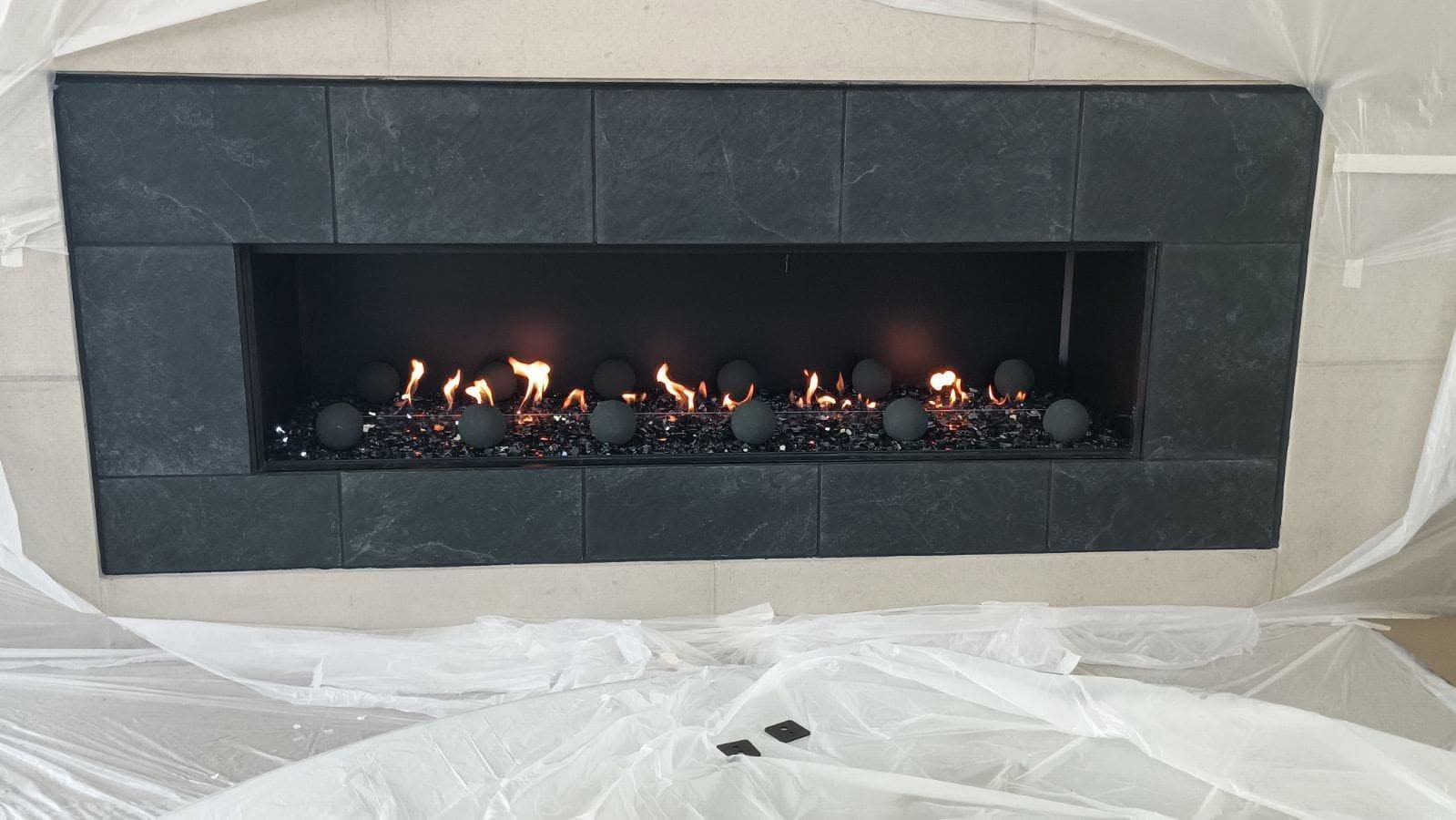
Why Fuel Type and Venting Configuration Matter
Every fireplace installation begins with evaluating your home's existing chimney condition, utility connections, and room layout to determine which fuel source integrates without requiring structural modifications. Gas fireplaces connect directly to your natural gas or propane line and require either vertical venting through an existing chimney or direct horizontal venting through an exterior wall, while wood-burning units demand a fully lined masonry chimney and adequate clearance from combustible materials.
After installation completes, you control heat output with a wall switch or remote for gas models, or you manage fire intensity manually with wood-burning systems. The Chimney Guy Fireplace and Patio configures each unit so flames distribute heat evenly across your room, dampers operate smoothly, and venting prevents any backdraft or air quality issues. Gas models ignite instantly without ash cleanup, while wood-burning fireplaces provide radiant heat and require regular ash removal and chimney maintenance.
Upgrades available during installation include decorative fireplace inserts that improve efficiency in older masonry openings, custom surrounds crafted from stone or tile, and blower systems that circulate warm air into adjacent rooms. These additions increase both the functional heating capacity and the visual impact of the installation without requiring future modifications.
What Homeowners Ask Before Choosing a Fireplace
Selecting a fireplace involves understanding how different fuel types and installation methods affect both your daily routine and long-term maintenance requirements in Gun Barrel City homes.
What determines whether a gas or wood-burning fireplace works better for my home?
Your decision depends on whether you have an existing chimney suitable for wood burning, access to natural gas or propane lines, and whether you prefer the convenience of instant ignition or the process of managing a wood fire. Homes without existing chimneys often find gas fireplaces more practical because direct-vent models exhaust horizontally through exterior walls without requiring vertical flue construction.
How does installation ensure the fireplace meets current building codes?
Every installation follows manufacturer clearance specifications for combustible materials, uses approved venting components matched to the fuel type, and positions gas shut-off valves within reach for safety compliance. Inspections verify that venting terminates at the correct height and distance from windows or intake vents.
What should I consider when choosing between vented and vent-free gas options?
Vented gas fireplaces exhaust all combustion byproducts outside through a chimney or direct vent, maintaining indoor air quality but losing some heat through the venting process. Vent-free models retain more heat inside but require adequate room ventilation and are subject to local code restrictions in some areas.
How do fireplace inserts improve efficiency in an existing masonry opening?
Inserts fit inside your existing firebox and seal against the chimney, converting an open fireplace into a closed combustion system that radiates significantly more heat into the room instead of losing it up the flue. Blowers integrated into inserts actively distribute warmth across larger areas.
When should I schedule installation to avoid delays?
Scheduling installation during warmer months allows adequate time for any necessary chimney work, gas line extensions, or custom surround fabrication before you need supplemental heating. Completing installation before fall ensures you test operation and resolve any adjustments well ahead of peak heating season.
The Chimney Guy Fireplace and Patio evaluates your home's layout and existing infrastructure to recommend fireplace options that integrate cleanly and perform reliably. Schedule a property consultation to review fuel availability and installation pathways specific to your home's configuration.