
Elevated Outdoor Platforms That Withstand Use
Deck Installation in Gun Barrell City for properties needing raised outdoor spaces above uneven terrain
Uneven yards and sloped lots often require elevated platforms to create usable outdoor areas, and deck construction provides that solution without extensive grading or retaining walls. The Chimney Guy builds custom decks using wood and composite materials across Gun Barrell City and surrounding areas, designing layouts that account for sun exposure, access points, and how the deck connects to existing patios or outdoor kitchens. Material choice affects maintenance requirements, surface temperature in direct sun, and how well the deck holds up under Texas humidity.
Deck framing begins with post footings sunk below the frost line and poured in concrete to prevent shifting as soil moisture changes seasonally. Joist spacing, beam sizes, and fastener types all follow structural codes that ensure the platform supports weight safely without excessive flex. Composite decking resists splintering and fading but expands slightly in heat, requiring specific gap spacing between boards, while wood decking needs periodic sealing to prevent moisture damage and UV degradation.
Arrange a property evaluation to assess slope conditions and discuss how a deck integrates with your outdoor living plans.
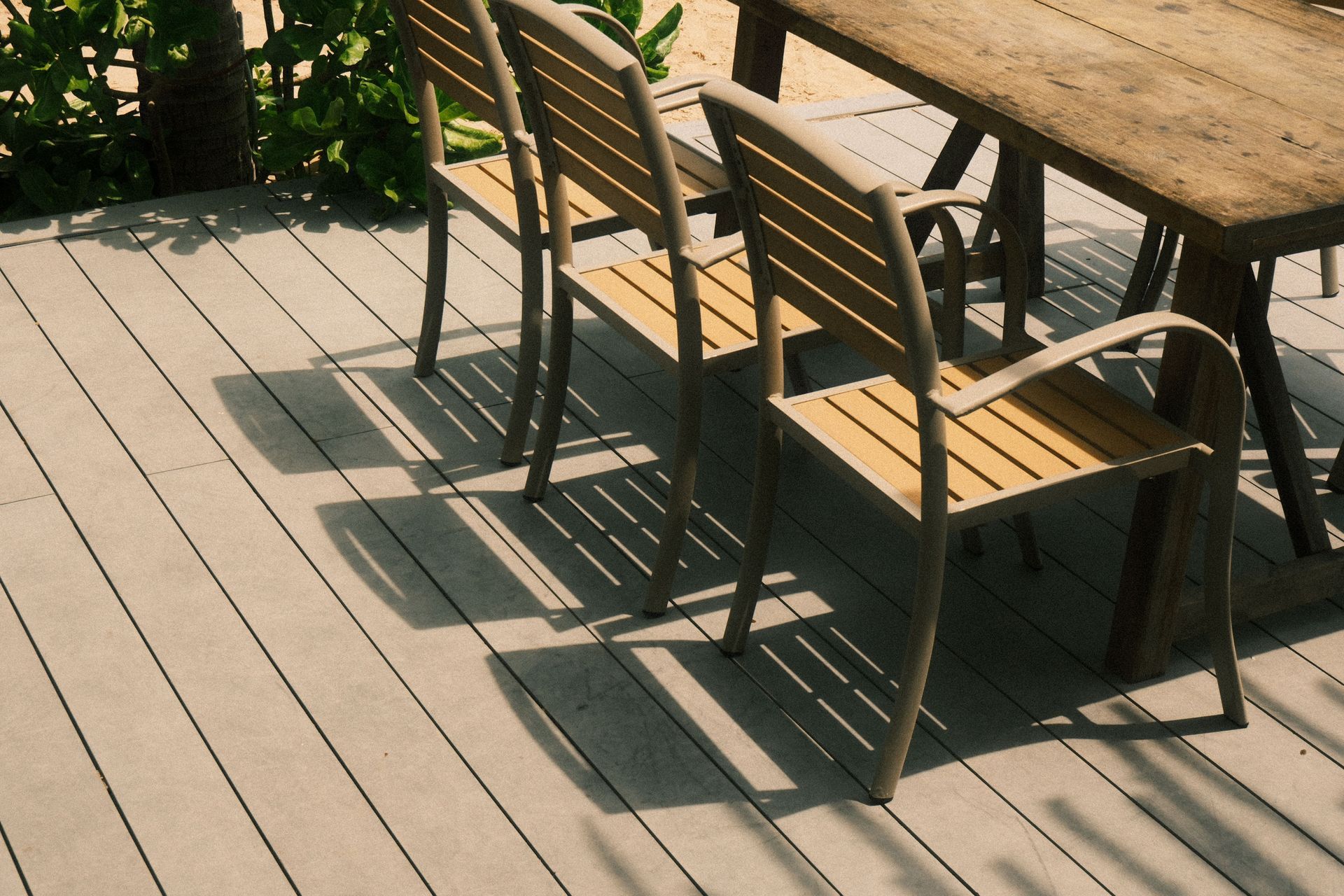
How Deck Construction Addresses Elevation Challenges
Building on uneven ground involves setting posts at varying heights to create a level platform, with diagonal bracing added for lateral stability. The Chimney Guy measures grade changes and determines footing depth based on soil type, then constructs the frame using pressure-treated lumber rated for ground contact. Stairs are built at a consistent rise and run that meets code requirements, with handrails installed when the deck height exceeds 30 inches above grade.
Once the deck is finished, you'll notice a stable surface that doesn't bounce underfoot, board spacing that allows drainage without trapping debris, and railings that feel solid when gripped. Composite surfaces stay cooler than wood in direct sunlight and maintain consistent color without annual staining. Integration with patios or outdoor kitchens involves matching elevation and building transitions that feel natural when moving between spaces.
Deck projects often include built-in seating, planter boxes, or lighting fixtures routed through the frame during construction. Material selection depends on budget, aesthetic preference, and how much ongoing maintenance you're willing to perform. Wood decks require cleaning and sealing every one to two years, while composite materials need only occasional washing to remove pollen and dirt buildup.
Common Deck Planning Questions
Designing a deck involves balancing material costs, maintenance expectations, and how the structure fits your property's layout. These questions clarify what affects the build process.
What determines whether wood or composite decking works better for a specific project?
Wood costs less upfront and provides a traditional look but requires regular sealing, while composite materials eliminate most maintenance and resist moisture damage but carry higher initial material costs.
How does deck height affect railing and stair requirements in North East Texas?
Decks more than 30 inches above grade require guardrails at least 36 inches high, and stairs need handrails when they include four or more risers, following state building codes.
What site conditions complicate deck installation?
Steep slopes require taller posts and additional bracing, while properties with high water tables need deeper footings and drainage considerations to prevent post movement.
How do decks integrate with existing patios or outdoor kitchens?
Transition steps or shared elevation levels connect the spaces visually and functionally, often using matching materials or coordinated colors to create continuity.
Why does joist spacing matter for deck durability?
Closer joist spacing reduces bounce and provides better support for decking boards, especially with composite materials that flex more than wood under weight.
The Chimney Guy collaborates with property owners to design decks that address terrain challenges and connect with other outdoor features. Begin your project with a consultation to review material options and layout possibilities.