Building Systems That Meet Code Requirements
New Chimney Construction in Gun Barrel City for new homes, remodels, and outdoor living projects requiring proper venting
New construction and major remodels often require custom-built chimneys designed to integrate with indoor fireplaces, outdoor fireplace installations, or heating appliances that demand code-compliant venting systems. The Chimney Guy Fireplace and Patio works with homeowners, builders, and contractors throughout Gun Barrel City to design and construct chimneys that meet local building codes, provide proper draft for safe combustion, and match the architectural style of the property. You need this service when adding a fireplace to a home that lacks an existing chimney, replacing a structurally compromised chimney that cannot be repaired, or building outdoor living spaces that include fire features requiring venting.
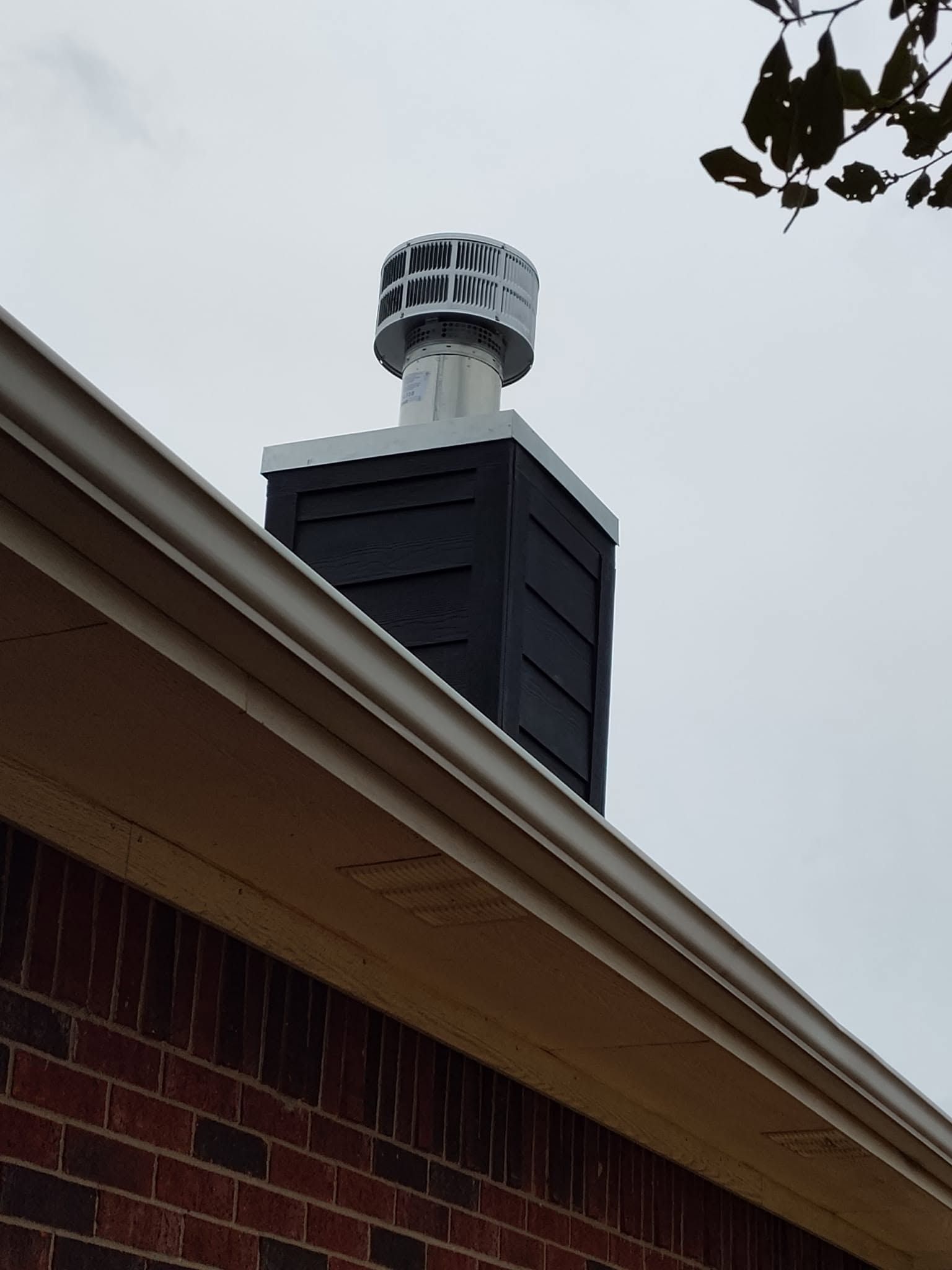
Design considerations include selecting appropriate flue liner materials for the fuel type being burned, calculating the correct flue size to ensure adequate draft, and determining the chimney height required to meet code clearances above the roofline. Construction involves laying masonry with proper footings, installing the flue liner system, building the stack to the specified height, and finishing with a sloped crown and protective cap.
Request a consultation to discuss your new chimney construction project and review design options tailored to your property.
What Code-Compliant Construction Involves
Proper venting systems require flue liners rated for the specific appliance or fireplace being installed, with dimensions calculated based on the BTU output and the type of fuel—wood, gas, or pellet systems each have distinct venting requirements. Footings must extend below the frost line to prevent settling, and the masonry must be constructed with fire-rated materials that withstand sustained high temperatures without cracking. The chimney height is determined by measuring its position relative to the roof peak and calculating the clearance needed to prevent downdrafts and ensure reliable draft under varying weather conditions.
After construction is complete, the chimney draws consistently without backdrafting smoke into the living space, and the structure integrates with the home's exterior in a way that complements the existing architecture. Collaboration with builders and contractors ensures that framing, flashing installation, and interior finishes align with the construction timeline and meet inspection requirements.
Quality materials and experienced construction practices produce chimneys that perform reliably for decades without requiring premature repairs. Outdoor fireplace projects benefit from the same attention to venting requirements and structural stability, ensuring that fire features operate safely and enhance outdoor living areas.
What Property Owners Need to Know
Building a new chimney involves technical decisions that affect both safety and long-term performance, and understanding these factors helps homeowners make informed choices.
What determines the correct flue size?
The flue must be sized according to the BTU output of the appliance or fireplace, with larger systems requiring wider flues to handle the volume of exhaust gases and maintain proper draft.
How does chimney height affect performance?
Taller chimneys create stronger draft by increasing the pressure difference between the firebox and the top of the flue, but the height must also meet code requirements based on the roof slope and proximity to the peak.
Why does the flue liner material matter?
Clay tile liners work for wood-burning fireplaces, while stainless steel liners are required for gas appliances or high-efficiency systems that produce corrosive condensate.
When is an outdoor chimney needed?
Outdoor fireplaces and wood-fired ovens require properly vented chimneys to direct smoke and embers away from seating areas and structures, with heights and clearances determined by local codes.
How long does new chimney construction take?
The timeline depends on the chimney's height, complexity, weather conditions, and coordination with other trades, but most residential projects are completed within one to two weeks once materials are on site.
The Chimney Guy Fireplace and Patio collaborates with clients from initial design through final inspection, ensuring that every phase of construction meets technical requirements and aesthetic expectations. Arrange a project consultation to review your needs and begin planning a custom chimney that supports your fireplace or heating system for years to come.