
Windows That Block Heat Before It Enters
Exterior Shades in Gun Barrell City for homes that need to reduce solar heat gain and lower cooling costs
Solar shades and exterior shading systems stop heat at the window surface before it enters your home, which is far more effective than interior blinds or curtains that only block light after heat has already passed through the glass. The Chimney Guy installs exterior shades that reduce indoor temperatures, cut glare on screens and furniture, and protect window treatments and flooring from UV damage. You'll feel the difference in comfort the first afternoon the shades are deployed during peak sun hours.
These systems mount outside the window frame and lower into place when needed, creating a barrier that reflects and absorbs sunlight before it reaches the glass. Manual and motorized options are available depending on how many windows you need to cover and whether you want remote or automated control. Custom-fit installations account for window size, shape, and the orientation of your home, with fabric densities that balance light filtering, UV protection, and outward visibility.
Schedule a property assessment to identify which windows would benefit most from exterior shading and discuss fabric and control options.
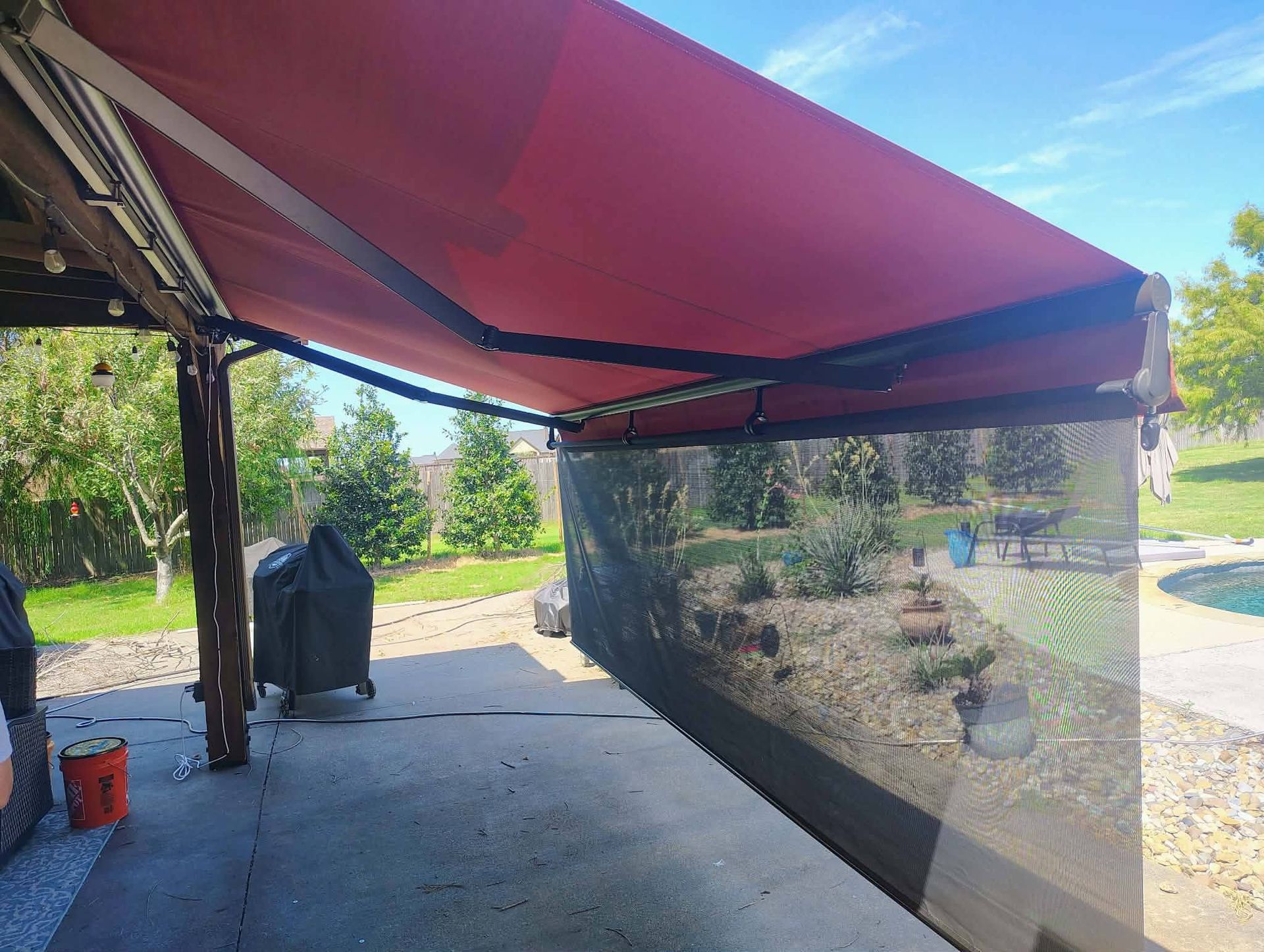
What Changes After Exterior Shades Are Installed
Installation begins with measuring each window opening and selecting mounting hardware that secures the shade housing above or beside the frame, with tracks or guides that keep the fabric aligned as it lowers. Fabric is chosen based on openness factor, which determines how much light passes through and how much heat is blocked, with tighter weaves offering more UV protection and looser weaves maintaining better outward views. Motorized systems include wiring to a power source and integration with remote controls or smart home platforms.
Once in place, exterior shades lower the temperature in rooms with direct sun exposure by blocking up to 90 percent of solar heat before it penetrates the glass, which reduces the load on your air conditioning and makes those rooms more comfortable during the hottest part of the day. You'll notice less glare on televisions and computer screens and reduced fading on furniture and carpets near windows. Motorized options allow you to adjust shades throughout the day without walking to each window, and automation features can raise or lower shades based on the time of day or temperature thresholds.
Exterior shades are designed to withstand wind and rain, with fabric materials that resist mildew and UV breakdown. Manual systems use a crank or pull mechanism, while motorized models operate with a remote or wall switch. The shading effect is most noticeable on west- and south-facing windows in Gun Barrell City, where afternoon sun is most intense.
Answers to Frequent Service Questions
Homeowners planning window upgrades often have questions about how exterior shades perform compared to interior treatments and what installation involves.
Why are exterior shades more effective than interior blinds?
Exterior shades block heat before it passes through the glass, while interior blinds only stop light after the heat has already entered the room and begun raising the indoor temperature. The difference in cooling efficiency is measurable on your energy bills.
What fabric openness factor should I choose?
Openness factor refers to how tightly the fabric is woven—lower percentages block more light and heat but reduce visibility, while higher percentages maintain views and airflow but allow more light through. A three to five percent openness factor is common for balancing shade and visibility in North East Texas.
Can exterior shades be used on large windows or sliding doors?
Custom sizing allows exterior shades to cover openings up to 12 feet wide or more, including picture windows and patio doors. Larger installations often use motorized operation because the fabric weight makes manual operation impractical.
How do motorized shades receive power?
Wiring is typically routed through the wall or exterior surface to the shade motor, with the option for battery-powered systems in locations where running electrical lines is difficult. Battery life varies based on usage frequency and motor specifications.
What maintenance do exterior shades require?
Fabric should be cleaned periodically to remove dust, pollen, and debris, usually with a soft brush or low-pressure water rinse. Mechanical components require occasional lubrication, and motorized systems should be checked annually to ensure smooth operation.
The Chimney Guy provides estimates based on the number of windows you need to cover, the fabric type, and whether you want manual or motorized operation. Reach out to discuss exterior shade options and schedule an installation timeline for your home.